Details to check before booking a desert ATV ride
Booking a desert ATV ride sounds simple until the small details start to matter. The terrain, the timing, the rules and the rider requirements can change the whole experience. A little checking before you commit helps you avoid surprises and choose a ride that suits your confidence level.
The desert looks open and forgiving, but sand, heat and changing light make it a place where preparation counts. Think of the booking as more than picking a time slot. You are choosing how active the day will be, what gear you need and how much structure you want around the ride.
Rider requirements and experience level
Start with who is riding. ATV driving is not the same as sitting on a bike or joining a passenger tour. Riders need to steer, balance, brake and react to uneven ground. If someone in the group has never ridden before, look for an option that includes clear instructions and a slower pace at the start.
Age rules, licence expectations and supervision requirements are worth checking early. These points can affect whether a booking works for a family, a couple or a group of friends. If children are part of the plan, confirm what they can ride, whether a passenger role is allowed and what safety equipment is provided. Do not assume that similar companies follow the same rules.
Be honest about ability. A rider who is comfortable on quiet trails may still find deep sand tiring. A confident rider may want longer stretches and more varied terrain. The right match makes the day safer and more enjoyable for everyone.
What the ride actually includes
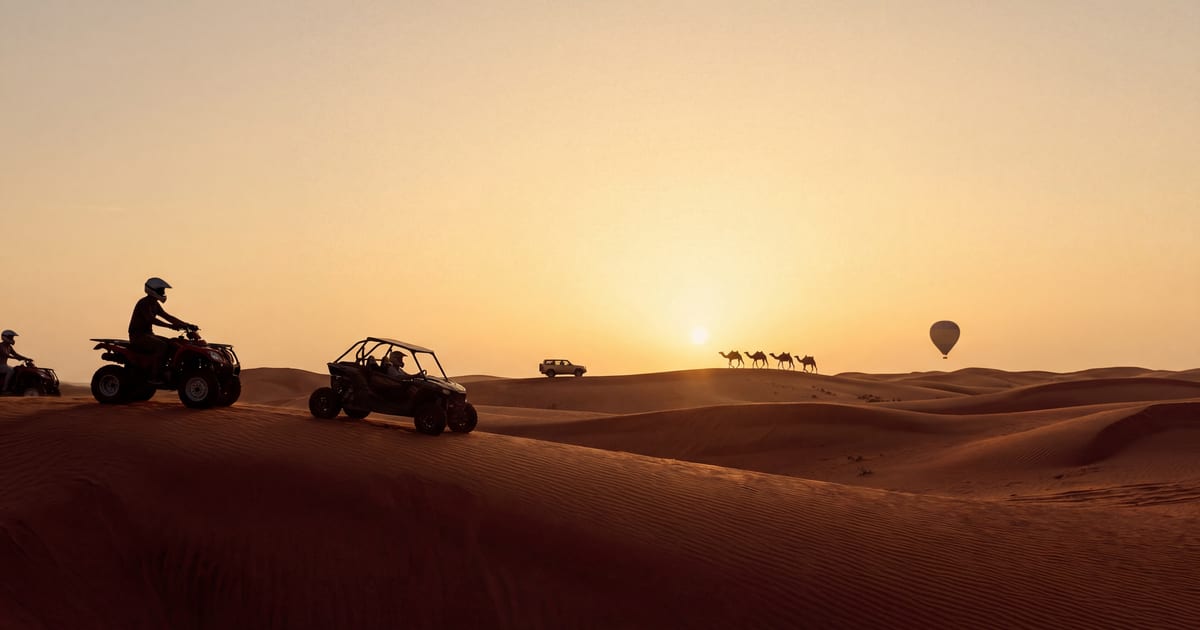
Two bookings can look alike at first glance yet offer very different experiences. Check the route style, the riding time and the pace before deciding. Some rides focus on open desert tracks, while others include dunes, photo stops or a broader itinerary. If the main reason for the trip is riding, be cautious about a package where most of the time is spent doing other activities.
It helps to ask how the session is organised. A short introduction, practice time and a guided route are useful for new riders. More experienced riders may prefer a route with fewer stops and more time moving. Neither option is better in every case, so the question is what fits the group.
When comparing options such as ATV Dubai Desert, keep the wording of the booking in mind. Vague terms can hide important differences. A clear description should tell you what happens after arrival, what equipment is used and how long the riding portion lasts.
Safety gear and basic condition of the vehicle
Safety is not only about rules on paper. Check that helmets and other protective gear are part of the plan and that riders understand how to use them. A helmet that fits properly matters more than one that simply exists. Gloves, eye protection and covered footwear can also make a long ride more comfortable in sand and dust.
Vehicle condition is another practical point. You do not need mechanical knowledge, but you can ask whether machines are checked between rides and whether riders report problems before setting off. Signs such as inconsistent braking, strange noises, poor steering response or a vehicle that feels hard to control should be taken seriously. Problems of that kind should be handled by a qualified professional, not ignored or adjusted by a rider.
Ask what happens if a rider struggles during the session. A sensible ride plan leaves room for slower riders and does not leave someone isolated. If a rider feels tired, overwhelmed or unsure, the group should have a clear way to pause and regroup. This is especially relevant in warm conditions, where fatigue can arrive quietly.
Timing, weather and desert conditions
The time of day shapes the ride. Midday heat can be demanding, while lower light near sunset changes how terrain reads under the wheels. Sand shifts with wind and use, so the route may not feel the same from one day to the next. Riders should expect a surface that requires steady inputs rather than sharp reactions.
Check the forecast and any local advice before travelling. Heat, wind and dust can affect visibility and comfort. If conditions are poor, a flexible booking policy is more useful than a rigid plan. It is also worth asking whether water or shade breaks are available during longer sessions, especially for riders who are not used to desert climates.
Clothing deserves attention too. Lightweight layers, secure footwear and protection from sun and dust usually work better than heavy clothing. Long trousers can help shield legs from sand spray. Avoid loose scarves or hanging accessories that could catch on controls or other gear.
Booking terms, meeting details and hidden friction
Before paying, read the booking terms with the same care you would use for any active experience. Look for cancellation rules, rescheduling options and what happens if weather disrupts the ride. Clear terms do not remove every risk, but they make it easier to plan with confidence.
Confirm the meeting point and arrival time in plain language. Desert activities often involve travel from a city base or a designated pickup area, and confusion there can eat into the day. Check whether the start time means arrival at a base, departure from a hotel or the beginning of the ride itself. Those are not the same thing.
Group size can also change the feel of a ride. A smaller group may offer more room and calmer pacing. A larger group can feel lively but may involve more waiting and less individual attention. If the group includes mixed abilities, ask how riders are split and whether routes are adjusted.
Photography is another small detail with real impact. Many riders want photos, but a stop in the wrong place can interrupt the flow of a ride. Ask where photos fit into the plan and whether personal devices are safe to carry in sand. A phone loose in a pocket can fill with dust, and a dropped camera is unlikely to survive rough ground.
Questions that make the decision easier
A short set of direct questions can clear up most uncertainty before booking:
- What experience level is required for the selected ride?
- How much of the total time is spent actually riding?
- What safety gear is provided, and what should riders bring?
- How are weather changes, delays and cancellations handled?
- Where exactly should the group meet, and what time does riding begin?
The answers should be specific enough to picture the day. If responses stay vague, pause before committing. Active desert plans work best when expectations match the reality of the ride. Checking these points does not need to make the process feel heavy. It simply turns a vague idea of a desert outing into a plan that fits the people involved.
A good booking decision balances excitement with practical judgment. Look past the wording that sounds appealing and focus on rider fit, safety, timing and clear terms. Once those pieces line up, the ride itself can be the part you look forward to.